


A new 2026 web security study has found that third-party applications are accessing sensitive user data on a majority of major websites without a clear business reason. After analyzing 4,700 high-traffic sites, researchers discovered that 64% of third-party tools now touch sensitive data unnecessarily, a sharp increase from 51% just one year ago.
The findings point to a widening gap between awareness and action. While most security leaders acknowledge web-based attacks as a major threat, far fewer organizations have put effective controls in place to reduce exposure.
Key Findings at a Glance
- Unjustified third-party data access rose from 51% in 2024 to 64% in 2025
- Malicious activity on government websites jumped from 2% to 12.9%
- Education websites showed signs of compromise on 14.3% of sites, or roughly one in seven
- Common contributors to unjustified access include:
- Google Tag Manager (8%)
- Shopify integrations (5%)
- Facebook Pixel (4%)
What “Web Exposure” Really Means
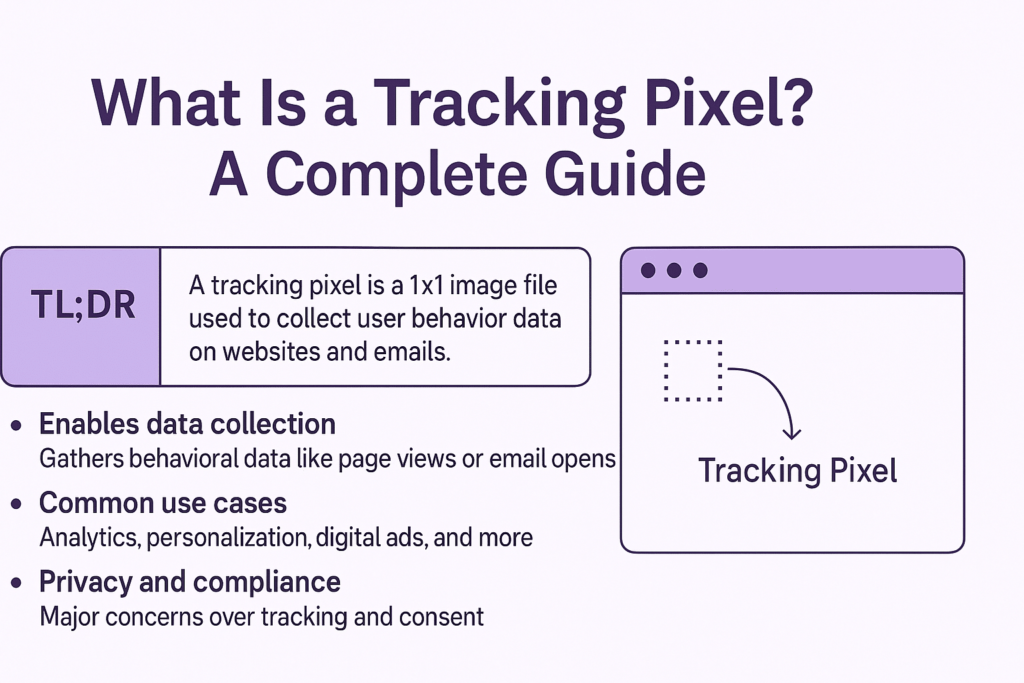
The study frames this growing problem under the concept of web exposure management, a term used to describe risks introduced by third-party web components such as analytics tools, marketing pixels, payment widgets, and content delivery services.
Every external script embedded on a site expands the attack surface. If one of those vendors is compromised, attackers can inject malicious code capable of harvesting credentials, capturing payment details, or silently monitoring user activity. In many cases, the risk is amplified by weak governance rather than technical flaws.
Marketing and digital teams often deploy new tools without security review, leading to excessive permissions and long-forgotten scripts running on sensitive pages.
How the Study Was Conducted
Over a 12-month period ending in November 2025, researchers assessed thousands of leading websites using a proprietary exposure scoring system. Each site was graded based on how third-party tools interacted with sensitive data fields, producing an overall risk rating from A to F.
The technical analysis was paired with a survey of more than 120 security decision-makers across healthcare, finance, retail, and other industries to understand how organizations are responding to these risks.
The Rise of Unjustified Access
The most alarming trend identified was what researchers call unjustified access—situations where third-party tools can read or interact with sensitive data despite having no functional reason to do so.
Access was flagged as unjustified when tools exhibited behaviors such as:
- Reading data unrelated to their purpose, such as chat widgets accessing payment fields
- Remaining active on high-risk pages despite months of zero data usage
- Being deployed via tag managers without security approval
- Using full-page access instead of tightly scoped permissions
Retail and entertainment sites were particularly affected, where speed-to-market pressures often outweigh security reviews.
Public Sector Sites Feeling the Strain
Government and education institutions experienced some of the steepest increases in malicious activity. Researchers attribute this not to more advanced attacks, but to tighter budgets and staffing limitations.
By contrast, the insurance sector showed notable improvement, reducing malicious activity to just 1.3%. Survey respondents confirmed the trend, with budget and staffing shortages cited as the top barriers to improving web security, especially in public institutions.
Awareness Without Action
Despite the growing risk, many organizations remain stuck in evaluation mode:
- 81% of security leaders say web attacks are a priority
- Only 39% have deployed dedicated solutions
- 58% are relying on general tools or are still undecided
This disconnect helps explain why unjustified access continues to rise year over year.
Marketing Tools as a Hidden Risk Multiplier
The study also highlights a shift in ownership of web risk. Marketing and digital teams now account for 43% of third-party exposure, compared to just 19% from IT teams.
Nearly half of the third-party tools operating inside payment flows were found to lack a clear business purpose. While security teams recognize the danger, many organizations still lack shared oversight between security and marketing.
Why a Pixel Breach Could Be Massive
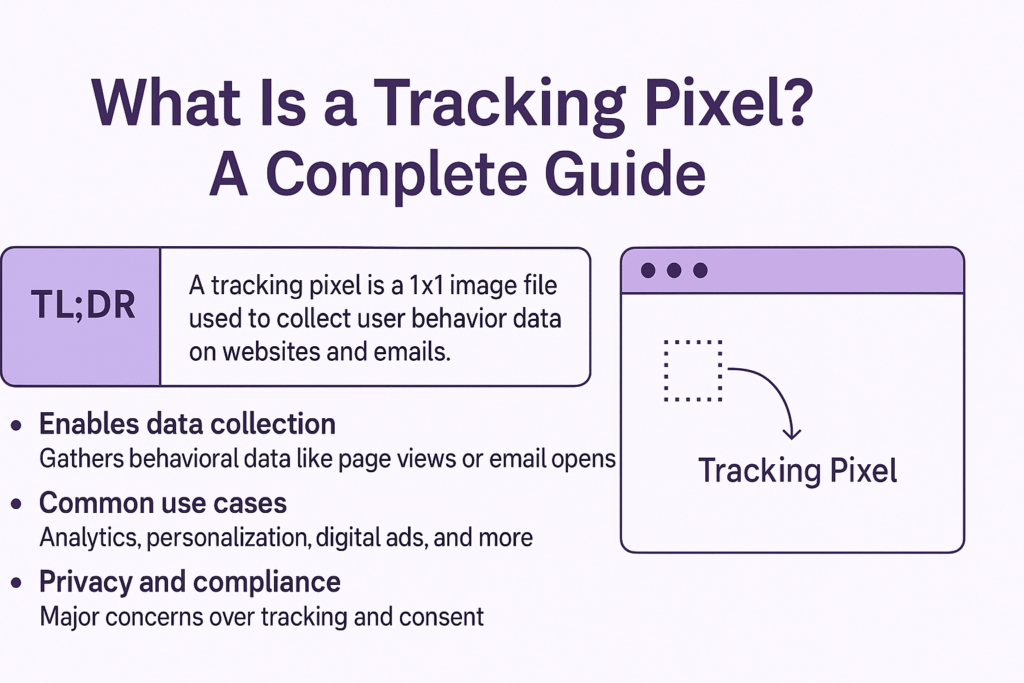
With Facebook Pixel embedded on more than half of major websites, researchers warn that poor permission controls could turn a single compromise into a web-wide data exposure event. Unlike past incidents that spread gradually, a widely used tracking script could expose millions of sites almost instantly if abused.
The risk lies not in the tools themselves, but in how broadly they are allowed to operate.
What Secure Organizations Do Differently
Among the thousands of sites analyzed, a smaller group consistently demonstrated strong security practices. These organizations limited the number of third-party tools, tightly scoped permissions, and continuously monitored runtime behavior.
The difference wasn’t budget, but governance.
Practical Steps Organizations Can Take Now
Security teams can reduce exposure by:
- Auditing all third-party trackers and removing tools without clear justification
- Monitoring runtime access to sensitive fields like payment and credential inputs
- Establishing shared approval processes between security, IT, and marketing
The findings underscore a simple reality: as websites grow more complex, unmanaged third-party tools are becoming one of the largest and quietest sources of data exposure on the modern web.