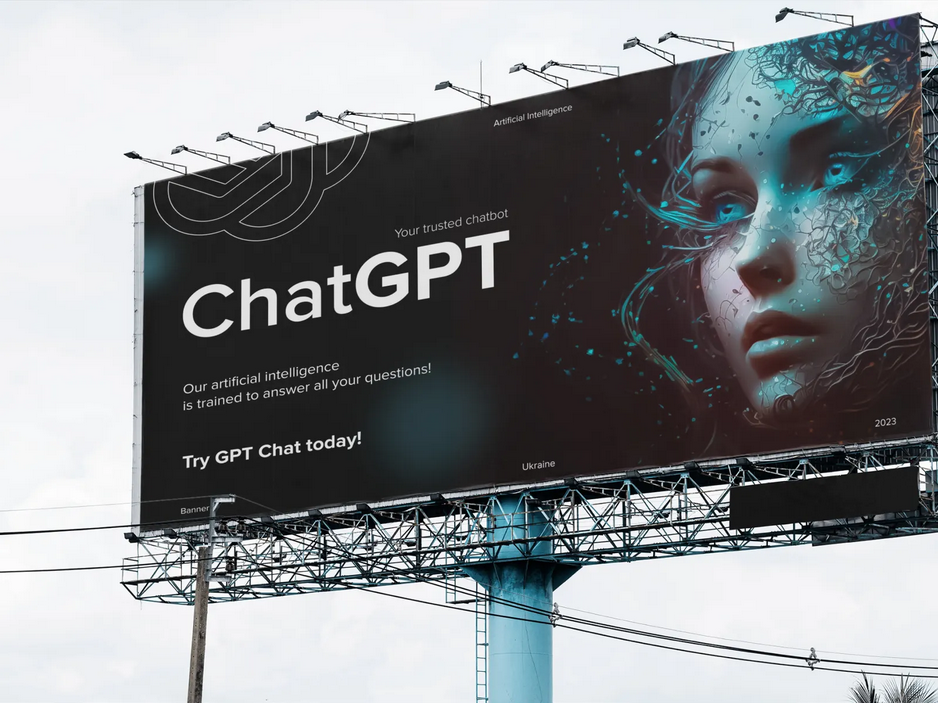

OpenAI has announced plans to introduce advertising in ChatGPT for logged-in adult users in the United States. The rollout will apply to both the free version and the low-cost ChatGPT Go tier, with testing expected to begin in the coming weeks as the company expands access to its budget subscription worldwide.
OpenAI stressed that user privacy will remain protected. The company said conversations and personal data will not be sold to advertisers, and ads will not be allowed to shape or influence ChatGPT’s responses. Users will also have control over their ad experience, including the ability to turn off ad personalization.
According to OpenAI, advertising is being introduced as a way to make advanced AI tools more widely accessible. The company believes this model could help fund long-term AI development while also giving smaller businesses and emerging brands a new way to reach users.
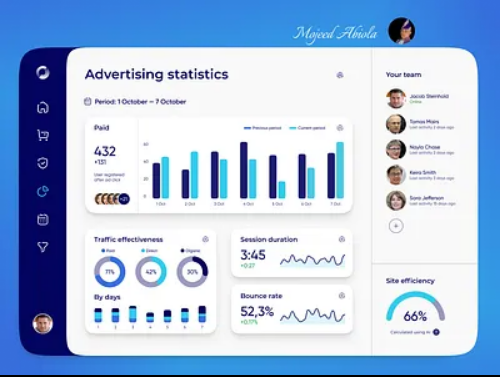
Ads will appear clearly labeled at the bottom of conversations and only when they are relevant to the topic being discussed. OpenAI noted that advertisers will not have access to chat content, and that sensitive areas such as health, mental health, and politics will be excluded from ad placement. Accounts identified as belonging to users under 18 will not see ads.
While OpenAI did not specify exactly what data will be used to determine ad relevance, users will be able to see why a particular ad is shown, dismiss ads they do not want, and provide feedback. Subscribers on Plus, Pro, Business, and Enterprise plans will remain ad-free.
OpenAI also emphasized that sponsored content will not affect the accuracy or neutrality of chatbot answers. Ads are intended to sit alongside conversations, not shape them.

Commenting on the change, OpenAI CEO Sam Altman said the company will not accept payment to alter ChatGPT’s outputs. He acknowledged that many people want broad access to AI tools without paying subscription fees, and said advertising could help support that demand in a sustainable way.
The move represents a shift for OpenAI, which has largely relied on subscriptions since ChatGPT launched. Altman previously described advertising as an uncomfortable fit for AI, calling it a last-option business model during a 2024 appearance at Harvard University. However, rising operating costs and rapid growth appear to have reshaped that position.
As of early October 2025, ChatGPT reportedly had around 800 million weekly active users, highlighting the scale of infrastructure needed to support its continued expansion.