
Not long ago, the cloud was sold as the ultimate fix for security risks and reliability problems. The promise was simple: move everything to managed platforms and let someone else worry about uptime and protection. In exchange for that convenience, many teams gave up direct control over their systems.
Reality has since caught up. Public cloud platforms and DevOps SaaS tools go down. They get attacked. And when something breaks, the responsibility often falls back on the customer, hidden behind the familiar “shared responsibility” model. To stay competitive and operational today, organizations need to rethink what cyber resilience actually means, especially in a world dominated by SaaS.

The Illusion of DevOps SaaS Resilience
In 2024 alone, widely used DevOps platforms such as GitHub, Jira, and Azure DevOps experienced hundreds of incidents. These disruptions led to thousands of hours of degraded service and outages. The takeaway is uncomfortable but clear: trusting major SaaS providers with your source code and workflows does not protect you from downtime or financial loss.
Big names reduce infrastructure burden, but they do not eliminate risk.
What the Data Reveals
Industry research paints an even starker picture. Reports analyzing DevOps-related outages show a sharp year-over-year rise in major incidents. Critical and high-impact disruptions have increased significantly, while the total time services spent unavailable or unstable has nearly doubled.
Login failures, slow responses, and full outages are no longer rare events. They are becoming a recurring operational threat that teams must plan for, not hope to avoid.

Understanding Shared Responsibility the Hard Way
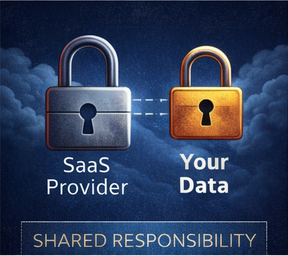
Most SaaS providers operate under a shared responsibility model. They manage the platform, but your data remains your responsibility. That includes source code, tickets, configurations, metadata, and workflow history.
Some providers offer limited recovery support, but the scope is often unclear and restricted. In many cases, native backups cannot reverse certain actions, such as intentional or accidental deletions. In short, no DevOps SaaS vendor is contractually required to fully protect or restore your data.
That risk belongs to you.
The Single Point of Failure Problem
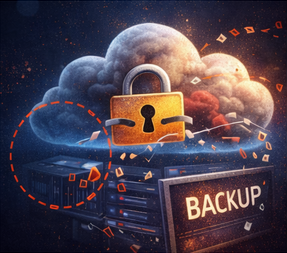
Relying only on native SaaS backups is becoming increasingly dangerous. When backups live in the same environment as production, a single outage can block access to both. If the platform goes down, so does your safety net.
Native backups are useful, but they come with real limitations:
- Restricted restore options that depend on the provider’s policies
- No granular recovery, forcing full restores for small issues
- Data gaps caused by constant repository and workflow changes
On their own, these backups do not provide real resilience.
Why Downtime Hurts More Than You Think
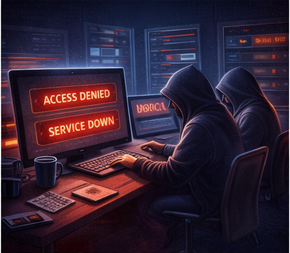
For cloud-first organizations, SaaS outages translate directly into lost revenue and stalled operations. Studies consistently show that even one hour of downtime can cost hundreds of thousands of dollars. For large enterprises, that number can reach into the millions.
While big companies may absorb the hit, smaller vendors and startups often cannot. For them, prolonged outages can threaten survival.
When Engineering Grinds to a Halt
When DevOps SaaS platforms fail, development work often stops entirely. Source control freezes. Pipelines break. Dependencies become unreachable. Teams lose access to documentation, tickets, and internal knowledge bases.
The cloud often acts as the central nervous system of modern businesses. When it fails, everything downstream feels the impact.
Reputation, SLAs, and Customer Trust
Outages don’t just disrupt internal teams. They affect customers and partners too. Missed deadlines and delayed fixes can violate service-level agreements and trigger penalties. More damaging still is the loss of trust, which is far harder to repair than infrastructure.
The Hidden Security Fallout
During outages, teams often resort to unsanctioned tools and shortcuts to keep work moving. Code gets shared in insecure channels. Credentials get passed around. Temporary workarounds become permanent risks.
The most dangerous part is that these security lapses often surface long after the outage is over.
Compliance Is Still Your Responsibility
For regulated industries, downtime and data loss can expose compliance gaps. Many regulations and standards explicitly require proper backup and recovery measures. Native SaaS backups may not be sufficient to meet these obligations, increasing the risk of audit failures and regulatory penalties.
Building Real Resilience
True resilience is not about preventing every failure. It is about recovering quickly and continuing to operate when failures happen.
A strong resiliency strategy includes:
- Frequent, comprehensive backups of code, metadata, and configurations
- Isolated and immutable storage outside a single SaaS environment
- Clearly defined recovery objectives for time and data loss
- Regular testing of recovery processes
- Restore workflows that understand service dependencies
More Than Just Protection
A solid backup and recovery strategy offers benefits beyond downtime protection. It enables easier migrations, sandbox testing, long-term archiving, selective restores, and even data sovereignty for sensitive assets.
These capabilities give teams flexibility instead of forcing them into reactive firefighting.
Final Thoughts
DevOps SaaS platforms are powerful, but they are not immune to failure. Assuming otherwise is risky. A well-planned resilience strategy allows organizations to focus on building and innovating rather than scrambling during every outage.
In today’s environment, resilience is not optional. It is part of doing business.